
你懂的
从破产到巨富,初代游资大佬邱宝裕靠短线翻身,如今罕见发声:超短线赚不了大钱_我的网站

一 |
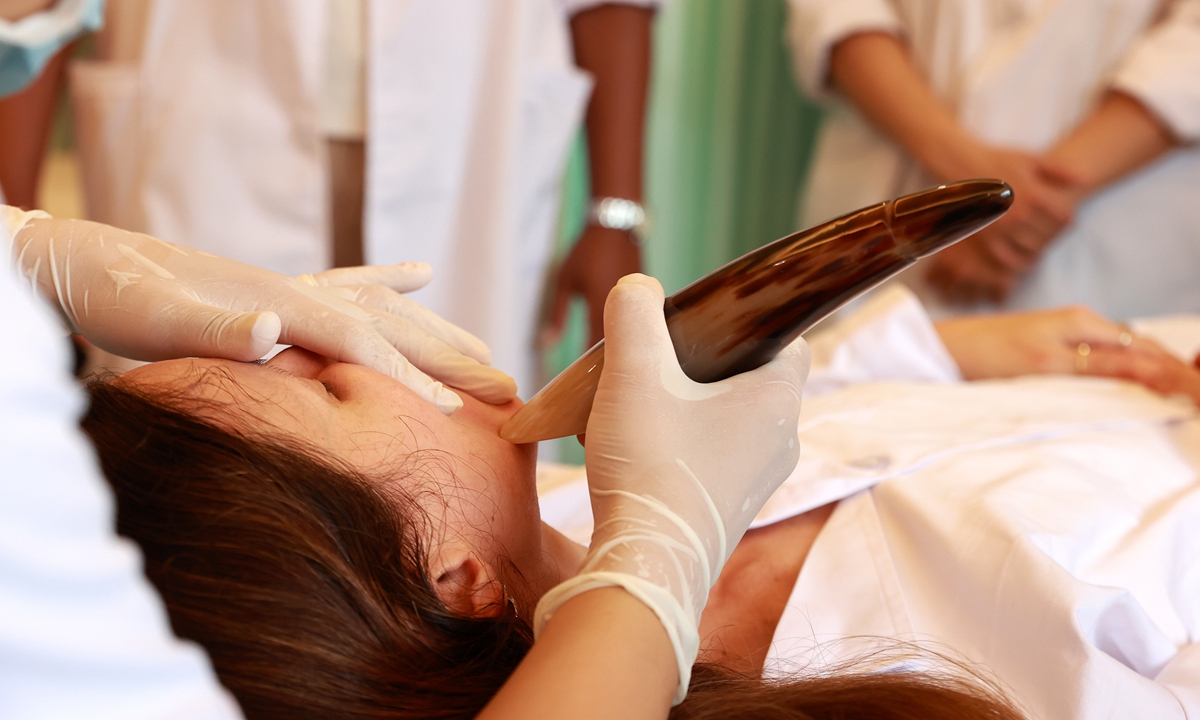
Starting in August, eight provincial-level regions will join the second phase of the program, bringing the total number of participating provinces and regions to 23, according to the National Medical Products Administration.
Under the pilot program, cosmetic registrants and authorized domestic entities can provide personalized services by mixing or dispensing two or more cosmetics in small batches based on consumers' individual needs.
At the Beijing Tong Ren Tang personalized cosmetic service skincare experience center, for example, a skin analysis can assess more than 30 indicators and generate a personalized skincare plan, based on which consumers can order tailored products, according to the People's Daily.
Twenty-four-year-old Beijing resident Zhao Xiyao was among the early consumers to experience the service. She told the Global Times on Sunday that when buying skincare products in the past, she relied largely on the brand's advertising or online "ingredient reviews." Even when she knew what problems her skin tended to develop, it was still difficult to determine which products were truly right for her.
"Compared with simply buying a bottle of skincare product, I care more about the skin analysis that comes before the personalized service," she told the Global Times. "At least it first tells you what condition your skin is in, and then selects products based on that condition, rather than having everyone use the same set of products."
For Zhao, the appeal of the experience goes beyond the novelty of the word "personalized."
"If it's just about changing the packaging or putting my name on it, I don't think that means much. What really makes it valuable to me is whether it can actually make a difference based on my individual situation," she said.
The idea of tailoring skincare to individual needs, however, is not entirely new. It echoes the traditional Chinese medicine (TCM) principle of taking individual differences into account.
Yi Lan, a TCM physician practicing in South China's Guangdong Province, told the Global Times that people with the same skin concerns may need different approaches because of differences in their constitutions, lifestyles and living environments.
However, she noted that TCM diagnosis and modern personalized cosmetics are not the same: The former involves a comprehensive assessment of an individual's overall condition, while the latter mainly matches products to skin conditions and consumer needs.
For personalized skincare, the key lies in whether this matching process can deliver meaningful results.
"If personalized services are to become a lasting consumer service, the key will be 'precision,'" Yi said. "The test results must be reliable; otherwise, the plan that follows has little meaning."
According to Yi, if ordinary products are simply combined in a different way without being able to explain why that combination is suitable for a particular person, then "personalization" can easily become a marketing concept.
At its core, personalized skincare is less about making a product more complicated than about making the choice more relevant to the person using it. Technology is giving the traditional idea of taking individual differences into account a new expression in the consumer market. However, the real test is whether it can translate into products that are genuinely better suited to the individual.
。

二 | 本文来自微信公众号: 每日经济新闻 (ID:nbdnews),编辑:程鹏肖芮冬杜波,作者:每经记者,原文标题:《从破产到巨富,初代游资大佬邱宝裕靠短线翻身,如今罕见发声:超短线赚不了大钱!》 初代游资大佬Asking邱宝裕此前曾以短线交易的操作手法为广大散户所熟知,是早期最具代表性的牛散之一。 《每日经济新闻》记者获悉,在近期的一次公开采访中,他表示做超短线能赚快钱,但赚不了大钱,并且习惯了做超短线,做中长线就拿不住。“那怎么办?后来想着去投一级市场。”他坦言,自己在一级市场主要是以自有资金投资天使轮等早期项目,重点投向大健康赛道,投资周期也比较长,“放个5年、10年甚至15年才有回报”。 记者通过天眼查发现,有名为“邱宝裕”的自然人投资了多家福州的生物健康基金和企业,高度疑似Asking邱宝裕。 初代牛散转战一级市场 曾以超短线操作闻名 近期,一则昔日牛散Asking邱宝裕的采访在业内引起关注。在这则采访中,他分享了自己转战一级市场的经历与思考。 Asking,本名邱宝裕,被粉丝称为“A神”,是最早一批游资的代表之一。

三 | 根据公开资料,1993年他开始了自己的股市投资生涯。后来经历了破产与东山再起,凭借对龙头股时机的精准把握,在短短几年内实现了资金规模的惊人增长。

四 | 彼时,他的超短线操作方式和一些交易理念在多个公开论坛被投资者广泛讨论,影响了不少散户,成为早期最受关注的牛散之一。 后续随着市场环境的变化和个人投资理念的成熟,邱宝裕也在不断寻求新的投资机会。从公开资料里可以看到,邱宝裕近几年很少在公开场合亮相。偶尔有消息传出,也是和他的投资项目紧密相关,不乏有推广意图,例如此前就有市场消息称他投资了一个基于Web3.0的互联网项目。 此次接受采访是邱宝裕少见的通过公开渠道来表达自己的观点。作为一代游资的代表,他表示自己炒股成功、逆风翻盘是时代造就的“奇迹中的奇迹”,概率堪比走在路上被陨石击中,也突显了其经历的不可复制性。 有人问他过去的投资经验,邱宝裕表示自己以前主要是做超短线,目标也很明确,“一个是它确定性很高,第二就是能赚一些快钱”,但是要赚“大钱”很难。他坦言,习惯了做超短线,做中长线就拿不住。

五 | “那怎么办?后来想着去投一级市场。”自此,初代牛散转向了一级市场,布局大健康赛道。

六 | 邱宝裕分享了自己在一级市场的投资策略:主要投资早期项目,比如天使轮公司,“要投一些很有想象空间的,能赚100倍、200倍的这种项目,还要下重注”。也正因如此,他投资的项目周期都比较长,“放个5年、10年甚至15年才有回报”。

七 | 而在具体项目上,他表示投资了研究干细胞、传染病、肿瘤等相关领域的公司,同时也布局一些人工智能的项目。“因为炒股是这样,虽然我们赚了钱……但是对整个社会、人类没什么贡献。

八 | 我现在投的这些大健康(项目),可以解决一些人类的苦痛,我觉得特别有意义。” 一二级切换自如? VC人士:二者逻辑不同,横跨者还是少数 记者通过天眼查发现,一位名叫“邱宝裕”的自然人布局了多只福州基金和当地的公司。由于Asking邱宝裕正是福建人,该自然人高度疑似他本人。 穿透来看,他通过这些基金投资了一些专注于肿瘤学、免疫学及传染病治疗、分子工程等领域的公司与平台,也布局了药品零售企业,正如邱宝裕在采访中所述“主要关注大健康赛道”。 事实上,邱宝裕的“转向”是有迹可循的。早年间,他通过超短线等操作积累了大量资金,为以自有资金投资一级市场奠定了基础;其次,他也笑称做超短线是年轻人干的事,自己现在股票炒得少了,人到中年开始关注健康领域。 不过纵观业内的案例,从二级市场完全转向一级市场,或者一二级能够切换自如的机构或个人是非常少见的。

九 | 相比之下,从一级市场向二级延伸的更多一些,但整体表现也不甚理想。五六年前曾有一波明星VC相继宣布进军二级市场,但尝试一段时间后就悄然撤掉了二级市场的业务与团队,还有部分存续的运营情况也并不理想。 有VC人士告诉《每日经济新闻》记者,该公司旗下也有部分二级市场业务,但并非其主营业务,发展多年规模也不算大。“两者逻辑完全不同,投资一级市场和二级市场的机构,其基因和能力圈也不一样,能横跨的还是少数。
Current article:http://aqy2i.zhouangnaoguangsundianzhenmou.cfd/list_3b5l45/e2i.html
Published on:16:51:48
栏目相关
- 熱狂の裏でオリンピアンが打ち明けた生理の悩み 公言を“タブー視”される現状に伊女子は本音「なぜ知られてはいけないの?」【冬季五輪】
- 北京地下管线骨干企业将携硬核技术亮相2026年服贸会
- What we know about the Americans killed in the Israel-Hamas war
- 《星球大战™星际战斗机™》讲述了来自“银河系边缘地带”的“边缘化局外人”的故事
- Notorious Yasukuni Shrine visits draw opposition from China and SK, serve as ‘mirror’ laying bare Japan’s resurgence of neo-militarism
- 咸阳华瑞融资担保,发生代偿后不给对公还款账户推诿要求还给原账户设置障碍
- Gustaakh Ishq Trailer: Vijay Varma and Fatima Sana Shaikh Make a Strong Case for a Hearty Love Story
- 100架!国产大飞机C919再签新订单
- Trump Tariff India: अमेरिकी टैरिफ की चपेट में भागलपुर का सिल्क कारोबार, 75 करोड़ का माल फंसा
- 体彩进四平路街道 多部门联动筑牢社区安全防线
- 疫情通报:过去一周新西兰新增4666例
- 杭州机场今日取消航班74架次,10点以后机场运行有望全面恢复!杭深铁路、沪昆高铁部分列车停运
热门排行
- 打破多年惯例!小米18缺席9月发布会 卢伟冰:不会让大家等太久
- 淘宝,是如何搞 AI 的?
- 6 dead in Russian rocket strike as Ukraine reports record bomb attack numbers
- 김천시, 공무원이 직접 발굴한 우수 시책 7개 선정
- 如何在开放中增强韧性?从项目安全走向资产网络安全
- ट्रंप हमें पसंद नहीं... अमेरिका छोड़ दुबई, सिंगापुर, स्विट्जरलैंड, पुर्तगाल का रूख कर रहे अरबपति
- 福马足球友谊赛激情四射 福州队3∶2胜马祖队
- 消费贴息落地调查:六大行加速兑现红利,客服主动打电话:“您有一笔贴息可以领”
- Tribal Woman in Indian State Set Ablaze, Five Arrested - Video
- 小米推出米家电动剃须刀 S100 云纹刀网版:90 分钟续航、IPX7 认证,99 元
- 手机家电国补申领指南|8月购买空调电脑手机如何参与国补?京东学生认证流程及补贴领取方法
- 京津冀联合发布7项共建计量技术规范